
USFans T-Shirts: Check What Changes When You Change the Option
Finding a T-shirt you like is only the first choice. Switching its colour, size or design option can change which information applies to the purchase. Keep the chosen option attached to the chart and images you use, rather than assuming every picture on a product page describes the same shirt.
Browse T-shirts on USFans for product references, or open the TNF T-shirt candidate for an individual comparison. If a chest pocket is essential, establish that feature from the actual option rather than assuming it is present. Product photographs alone do not establish composition or behaviour after washing.
Treat an option change as a fresh comparison
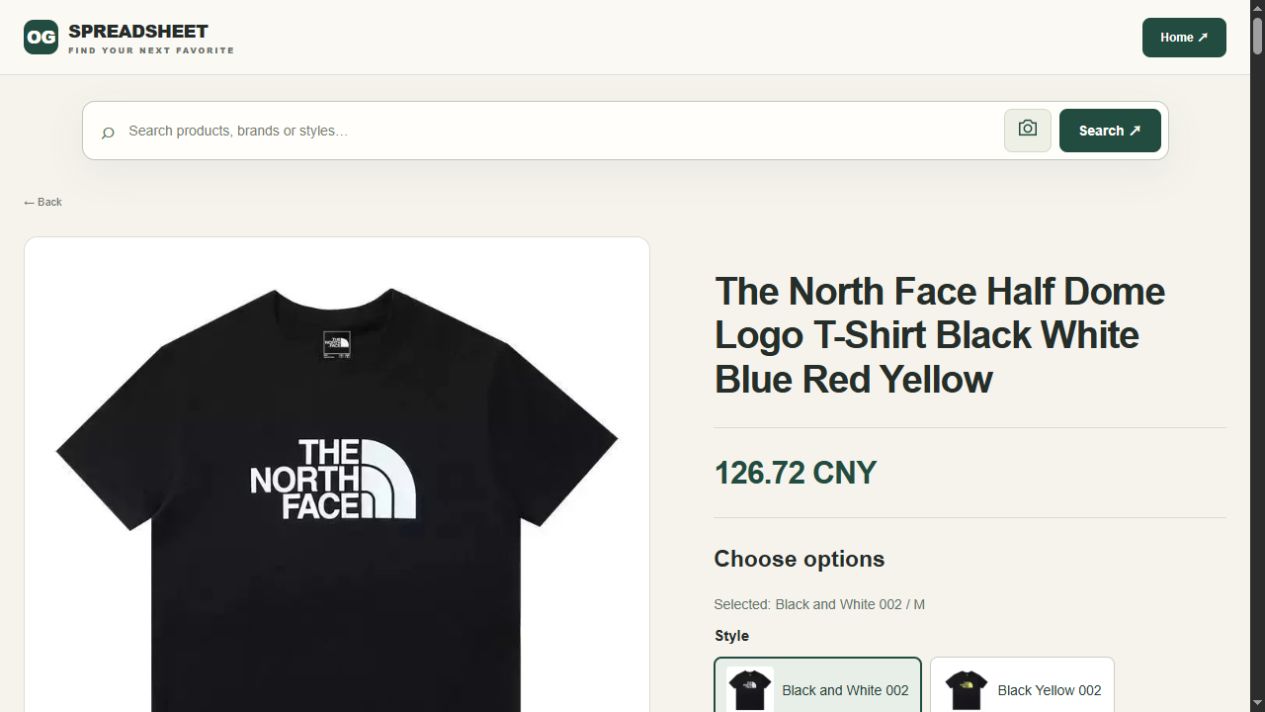
A useful saved reference contains more than the name of the page. Keep the chosen colour, size label, design wording and the product destination together. If you change one field, check whether the chart, gallery or included-item description also changes.
For a hypothetical example, a page might show a plain-front shirt and a version with a pocket. You prefer the pocket, but the option you saved names the plain version. More attractive images of the pocket do not fix that selection. Establish which design the option describes before judging its measurements or price.
The spreadsheet links guide explains how to retain an identifiable reference. If a destination has changed entirely, distinguish the replacement from the shirt you originally saved.
Use one comparison shirt and preserve its measuring method
Choose a shirt you already own that represents the fit you want for this purchase. Record how you measured it, not just the resulting numbers. A flat width taken at a defined point is not the same measurement as a body circumference. Body length measured from different starting points can also produce an unhelpful comparison.
Use the size guide to keep endpoints and units consistent. If a chart says only “chest,” clarify whether it describes the garment or the wearer before applying it. Do not double or halve an unexplained value simply to make it resemble your reference.
| Information changes | What to revisit | What not to assume |
|---|---|---|
| You select another size | The corresponding measurements for that size | Every dimension changes by the same amount |
| You choose another design | Its chart and visible construction details | A shared page means an identical cut |
| You change the colour | Which images and description match that option | A close-up from another option proves its fabric |
| You move to another listing | The full option and measurement definition | A similar title means the same item |
This keeps the comparison tied to the purchase instead of the first chart you happened to save.
Distinguish a preferred proportion from a quality problem
A lower pocket, longer sleeve or shorter body may be a design preference rather than a defect. State what you want clearly enough to compare it. For instance, “I want the pocket in this position relative to the chest” is more useful than “the pocket looks wrong” when you are still choosing between designs.
If an actual item later appears inconsistent with the selected version, compare it with the corresponding purchase information. Keep a wider view to establish position as well as a close view of the detail. A heavily cropped image can make a small feature look disproportionate without showing its relationship to the shirt.
The QC photo guide helps you request a view that answers the specific concern. A photograph can show a visible detail; it does not establish how the fabric feels or how the garment changes with wear.
Keep fabric and care claims attached to their source
Do not infer a fibre composition from a product title or a photograph. Read the description for the selected option and compare any available label information. If those records conflict, ask about the discrepancy rather than choosing whichever answer suits your preference.
Likewise, a neat-looking collar does not prove that it will retain its shape after washing. A review of a different design or colour may not answer your question about this item. The review guide explains how to separate a stated experience from a broader conclusion.
Care instructions should correspond to the garment you actually receive. This article does not prescribe a wash treatment for an unidentified fabric. Preserve the applicable care information instead of treating a general shopping guide as the item's care label.
Inspect the selected item before sending it onward
When an item reaches the warehouse, match its record to your intended option. If the supplied label or design appears different, clarify that while the relevant remedy can still be considered. The returns guide distinguishes an observed mismatch, a requested remedy and an accepted outcome.
Do not let a desire to complete a parcel turn an unresolved item into an approved one. If several shirts are involved, keep each question with its own item. One satisfactory photograph cannot settle the condition of the whole group.
After the item decision, compare the actual packing and shipping proposal using the shipping guide. A low shirt price alone does not describe the complete cost of getting that purchase delivered.
Finish the shortlist with a reason
Keep your decision note brief: the option you selected, the measurement information you used and the question that remains, if any. If another shirt replaces the candidate, record why. This prevents an abandoned option from returning to the basket simply because its thumbnail remains in the collection.
The best spreadsheet guide covers organising these choices across categories. A smaller list whose options you can identify is easier to act on than a large collection of interchangeable pictures.
Frequently asked questions
Can I use the same chart for every option?
Only when the product information establishes that the chart applies. Recheck after changing a design or moving to another listing.
Is a bigger size always the same shape with more room?
Do not assume that. Compare the actual dimensions supplied for the selected size rather than projecting a uniform change.
Can I judge thickness from a photograph?
A photograph alone does not establish a fabric specification. Use the relevant product information and keep uncertain details separate from visible observations.
What should I retain from the product page?
Keep the exact destination, chosen option, applicable chart and description needed for your decision. Avoid relying on a category thumbnail to recover the selection later.