
USFans Headwear: Resolve What the Front Photograph Leaves Out
A saved cap image usually gives you the easiest part of the comparison: its visible colour and front design. The questions that determine whether to choose it often concern the back, inside and selected size. Keep those questions attached to the actual option rather than treating similar front photographs as equivalent products.
For a specific reference, view the black logo-cap details on USFans. Check its rear closure, selected size and stated adjustment information before judging the option from the front image. Keep any material description with that same option; a dark fabric or familiar logo cannot supply the specification.
Make the hidden requirement explicit
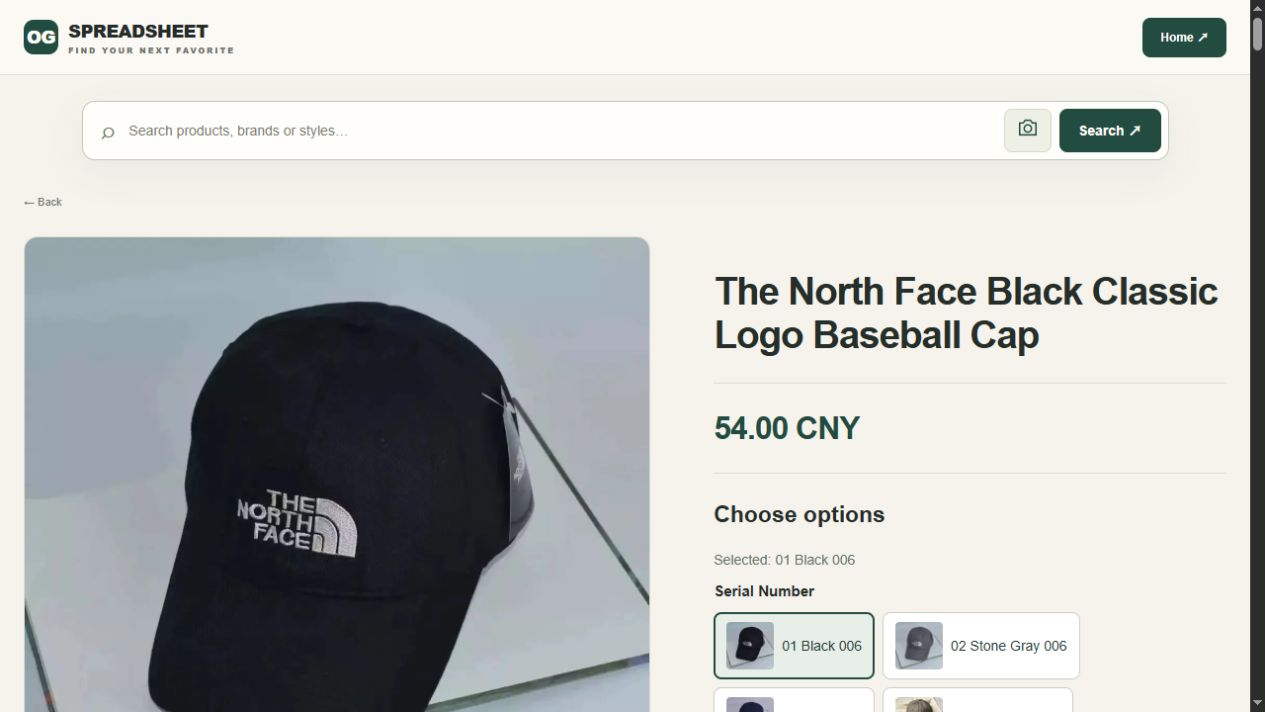
Start with the detail that could make you reject the cap. Perhaps you want a particular rear opening, a specific closure type or a crown shape like a hat you already wear. Record that requirement before saving more candidates.
For a hypothetical example, you shortlist two black caps because their front views look similar. One listing shows a rear strap; the other has no rear image or description. The second cap is not confirmed to have the same construction. Ask for the missing information rather than transferring the first cap's details to the second.
The spreadsheet links guide helps keep each selected version distinct. If a page includes multiple styles, a photograph of one rear closure may not describe every option on it.
Ask what a size figure actually measures
A “one size” label does not tell you an exact usable range. A centimetre figure needs a definition: what was measured, at which setting and by what method? Do not estimate that range from the length of a loose strap visible in a photograph.
Compare applicable information with a hat you already like, preserving the measuring method. The size guide explains why an undefined product dimension should not be treated as a body measurement. A range alone also cannot establish how a cap will feel when worn.
Keep these distinctions in your comparison:
| Information | What it may help establish | What it does not establish alone |
|---|---|---|
| Clearly defined size or adjustment range | The stated sizing scope of the selected option | Personal comfort |
| Rear view | Visible opening and closure construction | Every usable adjustment position |
| Side view | Visible crown and brim relationship | Exact dimensions without a method |
| Interior view or readable label | Details actually shown for that item | Authenticity or long-term wear |
If a missing detail would change your choice, keep the candidate unresolved until you can answer it. More copies of the same front view are not a substitute.
Match the inspection request to the concern
When the actual item is available, compare its selected option with the order record. If a logo or seam appears off-centre, retain a wider view showing how the cap is positioned. A tilted or folded item may make alignment difficult to judge from a close crop.
For a concern about the rear closure, request a relevant view or ask whether a suitable check is available. A picture of the closure is not a record of repeated operation. Avoid turning a visible mechanism into a durability claim.
The QC photo guide covers this difference between seeing a detail and testing a property. Keep the original images privately if an issue needs support, and remove personal identifiers from anything shared publicly.
Do not infer material or weather performance from styling
A dark fabric, mesh-looking panel or outdoor-style logo does not establish composition, breathability, waterproofness or a protective rating. Read the information corresponding to the selected item. If a property is important, seek information that actually addresses it instead of relying on the appearance.
The review guide explains how to keep another person's observation tied to the particular item and conditions described rather than applying it to a whole category. Compare the observation with the property you need: a comment about appearance does not answer a question about weather protection.
Also distinguish visible condition on arrival from behaviour after use. A clean new-item photograph can help with the first question; it cannot answer how the brim or closure will hold up over time.
Settle the item question before choosing packing
If the supplied option appears wrong, describe the actual difference before treating the cap as ready to send. The returns guide explains how to keep the remedy request separate from an accepted return or refund.
If you are keeping it, ask what the proposed packing retains and how the item will be arranged. Do not promise yourself that every cap can be folded without consequence, or that protective packing guarantees an undamaged arrival. Compare the available proposal and its actual parcel inputs.
The shipping calculator guide separates dimensions from actual weight. A lightweight-looking cap does not establish that adding it will have no effect on the quote, especially when the packing changes. Use the recorded proposal rather than a guess based on the product image.
Close the comparison with a concrete decision
Record the selected cap, the construction detail you confirmed and any remaining question. If the rear opening does not meet your preference, reject the candidate for that reason instead of calling it a defective product. If the actual item differs from the selected option, retain the matched records for that separate issue.
The best spreadsheet guide helps organise these decisions with your other saved items. A short, recoverable comparison is easier to use than several indistinguishable black-cap thumbnails.
Frequently asked questions
Does an adjustable strap mean the cap will fit me?
No. Establish the stated range and measurement meaning, and keep comfort separate from the visible construction.
Can a logo identify the exact version?
Not by itself. Retain the product destination, option and corresponding details. Similar front designs can appear on different constructions.
Is a photograph enough to assess the rear closure?
It can show the details visible in that view. It does not establish an adjustment range or repeated-use performance without further information.
Should I assume a cap adds no shipping cost?
No. Compare the actual packing and quote. Appearance alone does not supply the parcel dimensions or charging inputs.